ICOM IC-A25N Handheld NAV/COM Transceiver w/ Bluetooth – Open Box: Advanced Pilot Communication
ICOM IC-A25N Handheld NAV/COM Transceiver w/ Bluetooth – Open Box: Advanced Pilot Communication
Blog Article
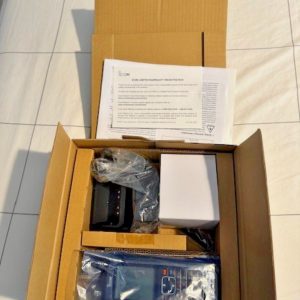
:::writingvariant="document" id="58314" ICOM IC-A25N Handheld NAV/COM Transceiver w/ Bluetooth – Open Box: Professional Aviation Backup Radio The ICOM IC-A25N Handheld NAV/COM Transceiver w/ Bluetooth – Open Box combines user-friendly controls, portable convenience, aviation communication capability, navigation functions, and Bluetooth connectivity. Choosing an open-box aviation radio may allow buyers to obtain advanced pilot equipment at a more accessible price than a comparable factory-sealed package. The ICOM IC-A25N Handheld NAV combines practical portability with features intended to support situational awareness and reliable aviation operations. A capable ICOM IC-A25N Aviation Radio can provide additional confidence during flights, training activities, maintenance events, and ground operations. The compact ICOM IC-A25N Handheld Radio may be especially useful for pilots who operate multiple aircraft or frequently travel between airports and training locations. A Handheld NAV/COM Aviation Transceiver can reduce the need to carry separate portable communication and navigation receivers for certain aviation tasks. Whether pilots need a Handheld Aviation Radio, Aviation NAV/COM Radio, Pilot Handheld Radio, or portable Aircraft Communication Radio, the complete package should be inspected and tested. The handheld format makes the unit relevant to buyers comparing Emergency Aviation Radio, Backup Aircraft Radio, ICOM Pilot Radio, and portable navigation communication equipment.
Why Pilots Choose the ICOM IC-A25N Handheld Radio
This handheld transceiver offers pilots a convenient way to carry aviation communication equipment independently of the aircraft’s installed radio system. Pilots often select a feature-rich handheld radio because it supports communication needs without requiring permanent installation or aircraft modification. Users should understand that portable-radio coverage can differ from panel-mounted equipment connected to an external aircraft antenna. A backup radio provides greater value when the pilot has already practiced frequency selection, volume adjustment, navigation functions, Bluetooth setup, and battery management.Choosing the ICOM IC-A25N Handheld NAV
The portable design allows pilots to become familiar with radio functions outside the aircraft before using the device in a busy operational environment. Flight schools can use portable radios to support classroom discussions, ramp communication, operational demonstrations, and backup planning. Users should understand which functions are intended for reference, communication, navigation support, training, or emergency use. Pilots should avoid burying backup equipment under baggage where it cannot be reached quickly during flight.ICOM IC-A25N Aviation Radio Applications
The radio may be useful to pilots operating aircraft with limited avionics, temporary communication problems, or different cockpit configurations. Maintenance providers may monitor aviation activity while working outside the aircraft or coordinating ground movements. Buyers should consider the radio’s physical condition, battery age, charging equipment, antenna, clips, headset accessories, manuals, packaging, and evidence of proper operation. Testing should occur in a lawful and appropriate manner without creating unauthorized transmissions or interfering with aviation communications.Portable Benefits of the ICOM IC-A25N Handheld Radio
Portable operation can be valuable to users who fly several airplane types or who do not control the installed equipment available in every cockpit. Pilots should protect the radio with a suitable case or organized storage compartment to reduce the risk of impact, moisture, connector damage, or accidental control activation. Preparation outside the aircraft supports more confident, efficient, and less distracting use during actual operations. Aircraft cabins and parked vehicles can reach temperatures that may affect batteries, displays, housings, and electronic components.Choosing a Handheld NAV/COM Aviation Transceiver
A NAV/COM transceiver can support normal operations, training, backup planning, aircraft delivery, and selected ground activities. Buyers should compare interface design, battery options, charging arrangements, antenna quality, accessory availability, display readability, audio performance, and operational needs. Stored frequencies and settings should be reviewed periodically so outdated information does not create confusion. An equipment log may be helpful for flight schools, shared aircraft, or aviation businesses where several users handle the same device.Handheld Aviation Radio Benefits
A handheld aviation device can support monitoring and communication activities from the cockpit, ramp, hangar, or operations office. A handheld unit is most valuable when charged, accessible, tested, and familiar to the pilot before it is required. Accessories such as approved headset connections or suitable external antenna arrangements may influence convenience and performance. Pilots must use aviation frequencies responsibly and comply with applicable licensing, authorization, frequency, and communication requirements.Choosing an Aviation NAV/COM Radio
An integrated aviation radio can provide a convenient secondary tool during flight planning, cockpit preparation, and selected in-flight operations. Menu familiarity, memory organization, display interpretation, audio control, and Bluetooth setup can improve efficient operation. Pilots should maintain current charts, navigation planning, weather awareness, and suitable avionics for the flight being conducted. Paired accessories and Bluetooth connections should be tested so unexpected setup issues do not occur during flight.Maintaining a Pilot Handheld Radio
Pilots may carry a handheld radio as part of a broader emergency kit that includes lights, power supplies, charts, tools, and survival equipment appropriate to the flight. The device should remain accessible to the pilot without becoming a loose object or interfering with cockpit controls. Emergency equipment is more useful when essential controls can be operated confidently without lengthy manual review. Pilots may consider carrying an appropriate backup power option when supported by the equipment and mission requirements.Maintaining an Aircraft Communication Radio
An aircraft communication device can support maintenance coordination, ground handling, training activities, and operational monitoring where appropriate. Headset and Bluetooth accessories should be tested for microphone quality and audio clarity before operational use. Users should establish realistic expectations by testing the radio in normal conditions rather than assuming identical range to panel equipment. Maintaining physical and electronic condition supports dependable Aircraft Communication Radio performance.Using a Portable Aviation Transceiver
The device can support airport ground activities, remote-airfield operations, aircraft inspections, maintenance coordination, and flight preparation. A protective case can separate the radio from tools, keys, metal objects, liquids, and heavy equipment inside a flight bag. A wired backup arrangement may remain useful when Bluetooth accessories lose charge, disconnect, or experience interference. The radio should remain usable even when a paired device is unavailable or the Bluetooth connection cannot be restored.Aviation Communication Device for Professional Use
A professional handheld radio may serve private pilots differently from flight schools, maintenance shops, airport staff, or commercial operators. The seller should explain the product’s status and disclose any evidence of use, missing materials, registration, or cosmetic handling. Equipment logs can improve accountability when several instructors, pilots, or technicians share one transceiver. Clear labels and quick-reference instructions can reduce setup errors without replacing the complete operating manual.Choosing a Handheld Aircraft Radio
The radio’s portable form allows pilots to monitor or communicate without remaining seated at the aircraft instrument panel. The radio provides practical value wherever access to aviation communication is useful away from a powered instrument panel. The pilot should route headset cables or charging leads carefully and avoid creating loops that can snag controls or occupants. After ground or cockpit use, the radio should be checked for dirt, moisture, fuel residue, oil, impact damage, and accessory wear.Maintaining an Aviation Navigation Radio
An Aviation Navigation Radio can support pilot situational awareness by providing portable access to compatible navigation-related functions and information. Students should receive appropriate instruction so the device supports learning rather than creating misunderstanding or distraction. Navigation information should be cross-checked with current aviation references and suitable cockpit equipment for the planned operation. Users should remove outdated memories or clearly organize frequencies to reduce confusion during operation.Using an ICOM Pilot Radio
An ICOM Pilot Radio can appeal to aviation users who value an established communications manufacturer, aviation-focused controls, portable construction, and practical accessory support. Accessories, manuals, packaging, warranty eligibility, and previous registration may affect the practical and commercial value of the radio. The correct purchasing decision reflects mission, budget, equipment condition, support needs, and actual operational preferences. Responsible ownership allows an ICOM Pilot Radio to remain a useful communication and navigation resource for many aviation activities.Maintaining an Emergency Aviation Radio
Emergency value depends on the radio being charged, accessible, configured, and familiar to the pilot before a problem occurs. A written quick-reference guide may help, but it should remain simple enough to use without creating distraction. Pilots should evaluate whether the radio can be heard clearly in the noise environment of their aircraft. Battery packs should be replaced when capacity declines, physical damage appears, charging becomes unreliable, or the manufacturer’s guidance indicates replacement.Backup Aircraft Radio Benefits
A Backup Aircraft Radio provides communication redundancy for pilots who want an alternative to the primary panel-mounted transceiver. A backup device should not be neglected simply because it is not used during every flight. A dedicated flight-bag pocket, protective mount, or secured cockpit storage area may provide suitable access. Backup planning should also consider how the aircraft will be flown, navigated, and managed while the pilot is using the portable radio.ICOM IC-A25N Open-Box Condition Guide
A careful physical review helps determine whether the product condition matches the seller’s open-box description. Transparent answers allow the buyer to distinguish a nearly unused open-box product from a lightly used or incomplete package. The Bluetooth Portable Aviation Transceiver system should be checked for pairing, audio routing, connection stability, and compatibility with supported equipment. The radio should be protected from impact, moisture, static, loose movement, and pressure during transportation.Routine Care for a Handheld Aviation Radio
A handheld aviation radio can provide many years of useful service when it is protected from impact, moisture, heat, contamination, and careless storage. Inspection frequency may need to increase when the device is shared, carried daily, used outdoors, exposed to maintenance environments, or stored in an aircraft.- Inspect the radio body, display, antenna, battery, charger, controls, connectors, clips, cables, and included accessories before important operations.
- Test the complete communication setup in an appropriate manner and understand how to use the radio without Bluetooth if needed.
- Protect the equipment from extreme temperature, direct sunlight, moisture, fuel, oil, cleaning chemicals, heavy tools, and accidental impact.